



How Clothing Manufacturers Support Growing Fashion Brands

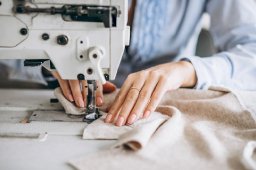
Growing a fashion brand requires more than creative designs and effective marketing. Brands also need reliable production partners that can turn concepts into high-quality garments while keeping costs, timelines, and inventory under control. This is where professional clothing manufacturers can play an important role.
From product development and sampling to bulk production and packaging, the right manufacturing partner can support a brand throughout different stages of growth. For emerging companies, working with clothing manufacturers with low MOQ can also provide greater flexibility when testing new products and managing limited inventory.
Helping Brands Turn Ideas Into Products
Fashion brands often begin with an idea, sketch, reference image, or concept. Turning that idea into a finished garment requires technical knowledge and production expertise.
Clothing manufacturers can help brands select suitable fabrics, develop patterns, create samples, determine measurements, and improve garment construction. Their experience can help transform creative concepts into products that are practical to manufacture and consistent with the brand's requirements.
This support is particularly useful for new brands that may not have an internal product development team.
Supporting Product Sampling
Sampling is an important part of apparel development. Before committing to large-scale production, brands need to evaluate how a garment looks and performs.
Manufacturers can create samples based on design specifications and provide opportunities for revisions. Brands can review fabric quality, fit, measurements, stitching, colors, printing, embroidery, and other details.
Several sample revisions may be necessary before a product is ready for production. A structured sampling process helps identify issues early and reduces the possibility of costly changes during bulk manufacturing.
Offering Low MOQ Production
Minimum order quantity is an important consideration for growing fashion businesses. Large production requirements can create significant inventory costs, particularly when a brand is still testing customer demand.
Working with clothing manufacturers with low MOQ can allow brands to produce smaller quantities. This approach can make it easier to test new designs, introduce limited collections, and evaluate customer response without committing to excessive inventory.
Low-MOQ manufacturing can also help brands experiment with different colors, styles, and product categories while maintaining greater control over their investment.
Maintaining Consistent Product Quality
As a brand grows, maintaining consistent quality becomes increasingly important. Customers expect products purchased at different times to meet similar standards.
Professional manufacturers typically have quality-control processes covering materials, measurements, stitching, printing, embroidery, and finished garments. Brands can establish specific quality requirements and inspection procedures with their manufacturing partners.
Consistent production quality can help reduce returns, customer complaints, and wasted inventory.
Providing Customization and Branding
A fashion brand needs products that reflect its identity. Manufacturers can support customization through different production and branding techniques.
Depending on their capabilities, manufacturers may offer custom labels, hangtags, embroidery, screen printing, sublimation, patches, custom fabrics, trims, and packaging.
These options allow brands to create products that are more closely aligned with their visual identity rather than relying entirely on generic garments.
Helping Manage Production Costs
Manufacturing costs can have a significant impact on a fashion brand's profitability. A reliable manufacturer can help brands understand the costs associated with fabrics, labor, trims, customization, packaging, and production quantities.
Brands can compare different fabric options, production quantities, and customization methods to develop products that fit their target price range.
Ordering appropriate quantities can also help businesses avoid excessive inventory. For growing brands, balancing product availability with cash flow is an important part of sustainable expansion.
Supporting Larger Production Runs
A brand may begin with small orders but eventually require larger quantities as sales increase. A capable manufacturing partner should be able to support this transition.
As demand grows, manufacturers can increase production volumes while maintaining agreed specifications and quality standards. Establishing a relationship early can make it easier for brands to scale existing products instead of constantly searching for new suppliers.
Before choosing a manufacturer, brands should ask about production capacity and whether the company can accommodate larger future orders.
Improving Production Efficiency
Experienced manufacturers understand the practical aspects of apparel production. Their knowledge can help identify production issues before they become major problems.
For example, a manufacturer may recommend a different construction method, fabric, stitching technique, or finishing process to improve efficiency or product durability.
Efficient production can reduce unnecessary waste, improve turnaround times, and help brands manage their product launches more effectively.
Supporting Different Product Categories
Growing fashion brands often expand their collections over time. A company may start with T-shirts and later introduce hoodies, sweatshirts, sportswear, leggings, jackets, or accessories.
Working with a manufacturer that offers multiple product categories can simplify this expansion. Instead of managing separate suppliers for every garment type, a brand may be able to consolidate more production with one experienced partner.
However, brands should still verify that the manufacturer has specific experience with each product category before placing an order.
Helping With Packaging and Finishing
The customer experience does not end with the garment itself. Packaging can also contribute to how customers perceive a fashion brand.
Manufacturers that offer custom packaging can produce branded bags, boxes, labels, tags, and other packaging elements. Coordinating these services through the manufacturing process may help create a more consistent presentation.
Brands should discuss packaging requirements early so that materials and production timelines can be coordinated properly.
Supporting New Product Launches
Fashion brands often need to launch products according to seasonal trends, marketing campaigns, or planned collections. Production delays can affect these launches.
A reliable manufacturing partner can help brands establish realistic production schedules for sampling, revisions, bulk manufacturing, quality checks, and shipping.
Planning ahead is essential. Brands should allow additional time for unexpected production issues, material availability, and transportation delays.
Building Long-Term Manufacturing Relationships
A strong manufacturer relationship can become an important part of a fashion brand's growth strategy. As both sides become familiar with product specifications and expectations, communication can become more efficient.
Brands can establish clear standards for quality, measurements, materials, packaging, and delivery. Manufacturers can also become familiar with the brand's preferred production methods and requirements.
For growing businesses, a dependable long-term relationship can make future product development and production planning easier.
Final Thoughts
Clothing manufacturers can support growing fashion brands at many stages, from initial product development and sampling to customization, quality control, packaging, and larger production runs. Their production expertise can help brands turn creative concepts into market-ready apparel while managing costs and inventory.
For emerging brands, clothing manufacturers with low MOQ can be particularly useful because smaller production quantities make it easier to test products and respond to customer demand. By choosing a manufacturer based on quality, capabilities, communication, pricing, MOQ, and scalability, fashion businesses can establish a production process that supports long-term growth.


