



Category: fashion

Few pieces of outerwear strike the balance between rugged character and refined style quite like a real leather bomber jacket. Originally associated with practical flight gear, the bomber has evolved into a versatile wardrobe staple that works across casual, smart-casual, and contemporary luxury looks. Its compact silhouette, ribbed trims, and durable construction give it a distinctive identity, while genuine leather adds depth, texture, and a sense of permanence that synthetic alternatives often struggle to replicate.
For modern wardrobes, the appeal goes beyond appearance. A well-made leather bomber can become one of the most frequently worn pieces in a closet because it works across seasons, outfits, and occasions. Whether paired with denim and sneakers for a relaxed weekend or layered over tailored trousers and a knit top for an elevated urban look, the right bomber provides structure without appearing overly formal.
Why Real Leather Makes the Bomber Jacket Special
Leather brings several qualities that make the bomber silhouette particularly effective. Unlike lightweight fabrics that can look flat or lose their shape, genuine leather has natural variation, visual depth, and a substantial hand feel. Over time, many leather jackets develop a patina as the surface responds to movement, exposure, and regular wear. This gradual change can make the garment feel increasingly personal rather than simply older.
The material also works exceptionally well with the bomber's traditionally uncomplicated design. Because the silhouette already has recognizable details, there is little need for excessive decoration. The texture of the hide, quality of the hardware, and precision of the stitching can provide enough visual interest on their own.
| Feature | Why It Matters | Everyday Styling Benefit |
|---|---|---|
| Genuine Leather | Offers natural texture, durability, and character | Creates a premium foundation for casual and polished outfits |
| Ribbed Cuffs and Hem | Defines the classic bomber profile | Adds structure while helping the jacket sit neatly on the body |
| Front Zip Closure | Maintains the traditional bomber aesthetic | Makes layering and temperature adjustment easy |
| Functional Pockets | Provides practical storage | Combines utility with visual balance |
Classic Mens Bomber Styles with a Modern Edge
For men, the leather bomber offers an easy way to introduce luxury into everyday clothing without making an outfit feel excessively dressed up. A streamlined Mens real leather bomber jacket can anchor a simple combination of a white T-shirt, dark jeans, and leather sneakers, creating a look that feels intentional while remaining comfortable.
Classic black remains one of the most adaptable options. It works naturally with monochrome outfits, denim, neutral knitwear, and understated footwear. Brown leather, meanwhile, introduces warmth and tends to complement earthy colors such as olive, cream, beige, charcoal, and navy. For those interested in a more distinctive appearance, shades such as burgundy or deep tan can provide personality without abandoning the jacket's traditional character.
Choosing the Right Fit
Fit has a significant impact on whether a leather bomber looks contemporary or dated. The shoulders should sit naturally without excessive overhang, while the body should provide enough room for a lightweight layer underneath. A bomber that is too tight can restrict movement and create unwanted tension around the zipper, whereas an excessively oversized version can overwhelm the compact proportions that define the style.
Pay particular attention to the hem. The ribbed waistband should sit comfortably around the lower torso rather than bunching dramatically. Sleeve cuffs should also finish neatly at the wrist. These small details help maintain the clean, balanced appearance that makes the bomber so versatile.
Womens Leather Bomber Jackets: Relaxed Luxury Reimagined
The leather bomber has become equally compelling in women's fashion, where designers and wearers continue to reinterpret its traditionally utilitarian proportions. A Womens real leather bomber jacket can provide contrast when worn with feminine silhouettes, or it can reinforce a sleek, minimalist wardrobe built around strong basics.
One of the easiest approaches is to combine the jacket with high-waisted jeans, a fitted knit top, and ankle boots. The structured leather contrasts with softer fabrics while creating a cohesive silhouette. For a more fashion-forward outfit, try an oversized bomber with a streamlined dress. The difference in proportions creates visual tension while allowing the jacket to become the centerpiece of the look.
Color selection can also transform the overall effect. Black offers a sharp, urban finish, while chocolate brown and cognac create a softer appearance. Cream, muted burgundy, or other sophisticated shades can make the jacket feel more directional without sacrificing versatility.
Leather Types and What They Mean for Your Jacket
Not all real leather has the same characteristics. Understanding the basic categories can make it easier to choose a bomber that matches your expectations for appearance, durability, and maintenance.
- Full-grain leather: Retains much of the hide's natural surface and is valued for durability and distinctive character.
- Top-grain leather: Offers a refined surface while retaining many of the performance qualities associated with genuine leather.
- Corrected-grain leather: Has undergone additional surface treatment to create a more uniform appearance.
- Suede: Uses the softer underside of the hide and provides a napped, tactile finish with a more relaxed visual character.
The ideal choice depends on how the jacket will be worn. Someone looking for a rugged everyday layer may appreciate the natural character of a robust leather finish, while someone building a polished capsule wardrobe might prefer a smoother surface with minimal visual variation.
How to Style a Leather Bomber for Everyday Luxury
Everyday luxury is less about wearing expensive-looking pieces together and more about combining quality materials with thoughtful proportions. A leather bomber already provides a strong foundation, so the rest of the outfit can remain relatively simple.
- Start with neutral basics. Build around white, black, grey, navy, cream, or denim to allow the leather to take visual priority.
- Balance proportions. Pair a relaxed bomber with slimmer trousers or jeans, or combine a fitted jacket with a wider-leg bottom.
- Layer intelligently. Lightweight T-shirts, fine-gauge sweaters, button-down shirts, and simple knit tops work particularly well.
- Choose understated accessories. A quality watch, leather belt, clean sneakers, boots, or a structured handbag can complete the look without competing with the jacket.
- Keep the color palette controlled. Two or three complementary shades usually create a more sophisticated result than a collection of unrelated colors.
From Daytime Casual to Evening Dressing
The bomber's versatility becomes particularly valuable when one outfit needs to move between different settings. During the day, wear it over a basic tee with straight-leg jeans and minimalist sneakers. For an evening setting, switch the sneakers for Chelsea boots or refined loafers and replace the T-shirt with a lightweight knit or crisp shirt.
Women can use the same principle with dresses and skirts. A leather bomber can make a polished dress feel more relaxed for daytime, then become a stylish outer layer for dinner or drinks. The result is practical dressing that does not sacrifice personality.
Details That Separate Premium Bombers from Basic Ones
When evaluating a leather bomber, look beyond the headline material. Construction details often determine how the jacket performs after months or years of wear. Inspect the stitching around stress points such as pockets, cuffs, shoulders, and zipper areas. Even stitching and clean finishing are signs that attention has been paid to construction.
Hardware deserves similar consideration. A zipper should move smoothly without catching, while snaps and other fasteners should feel secure. The lining should sit cleanly inside the garment without excessive pulling or loose sections.
Comfort is another important consideration. Leather can be substantial, so the jacket should allow natural movement through the shoulders and arms. If the piece is intended for frequent wear, prioritize a construction that feels comfortable when sitting, driving, walking, and layering.
Maintaining Real Leather for Long-Term Wear
Leather rewards consistent but relatively simple care. Avoid treating the jacket like ordinary washable clothing. Excessive moisture, heat, and unsuitable cleaning products can affect the material's finish or flexibility.
When the jacket becomes wet, allow it to dry naturally at room temperature rather than placing it directly beside a radiator or strong heat source. Store it on a sturdy, appropriately shaped hanger to help preserve the shoulders. Periodic conditioning may also help maintain suppleness, but the product should always be compatible with the specific type and finish of leather.
It is also worth resisting the temptation to over-clean the jacket. Minor variations and signs of wear can contribute to leather's character. The goal is preservation rather than making a naturally evolving material look permanently brand new.
Building a Leather Bomber Around Your Existing Wardrobe
The strongest reason to invest in a real leather bomber is its ability to work with clothing you already own. Before choosing a color or silhouette, consider the dominant pieces in your wardrobe. If you frequently wear black trousers, dark denim, and monochrome tops, a black bomber will reinforce that aesthetic. If your wardrobe contains earth tones and lighter denim, brown leather may provide more natural coordination.
Think about your lifestyle as well. A jacket intended for daily commuting may need practical pockets and a comfortable fit for movement. Someone primarily wearing it for social occasions may place greater emphasis on a sleek silhouette and refined detailing. Choosing according to actual use makes the purchase more useful than simply selecting the most fashionable option at the moment.
Frequently Asked Questions (FAQs)
Is a real leather bomber jacket suitable for everyday wear?
Yes. Its compact shape and durable material make it particularly well suited to regular use. Choosing a comfortable fit and versatile color can make it one of the most useful outerwear pieces in a wardrobe.
What color leather bomber is the most versatile?
Black is generally one of the easiest colors to coordinate because it works with a broad range of neutrals and denim. Brown is another highly versatile choice, particularly for wardrobes built around warmer and earthy tones.
Can leather bombers be worn in smart-casual outfits?
Absolutely. Pairing a clean-cut bomber with tailored trousers, a fine knit, polished boots, or minimalist loafers can create a sophisticated smart-casual outfit while preserving the jacket's relaxed character.
How should a leather bomber jacket fit?
The jacket should provide comfortable movement through the shoulders and arms without looking excessively loose. The ribbed hem should sit naturally around the waist or lower torso, depending on the design.
How can I make a leather bomber last longer?
Store it properly, keep it away from unnecessary heat and prolonged moisture, use suitable leather-care products when needed, and follow the manufacturer's care instructions. Regular gentle maintenance is preferable to aggressive cleaning.
Make Everyday Luxury Part of Your Wardrobe
A real leather bomber jacket combines heritage, practicality, and modern style in a way few other outerwear pieces can match. Its versatility allows it to move effortlessly from casual daytime outfits to polished evening combinations, while genuine leather brings the texture and durability needed for a long-term wardrobe investment.
Choose a silhouette that complements your proportions, select a color that works with your existing clothing, and focus on construction details that support frequent wear. With the right combination of fit, material, and styling, a leather bomber can become far more than a seasonal trend, it can be a defining piece of everyday luxury.
Explore the possibilities, build your outfits around quality rather than excess, and make a well-chosen leather bomber the foundation of a more confident, versatile wardrobe.
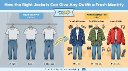
Fashion does not always require a completely new wardrobe to feel exciting again. Sometimes, one well-chosen layer can change the way an entire outfit looks, feels, and communicates personality. Jackets are especially powerful because they sit at the center of an outfit, adding structure, color, texture, and visual character without requiring you to replace everything underneath.
A familiar combination of jeans and a basic T-shirt can look casual and understated with one jacket, polished and contemporary with another, or bold and expressive with a third. That flexibility makes outerwear one of the smartest areas of a wardrobe to explore when personal style starts feeling repetitive.
The right jacket can also bridge the gap between practicality and self-expression. It can provide warmth, protect against changing weather, introduce a distinctive silhouette, or simply give an everyday outfit the finishing detail it was missing. From bomber jackets and hooded layers to statement pieces inspired by seasonal celebrations, the possibilities are remarkably broad.
Why Jackets Have Such a Strong Impact on Personal Style
Unlike many smaller accessories, jackets cover a substantial portion of the body. That gives them immediate visual influence. Their color, cut, collar, material, hardware, and proportions can alter how the rest of an outfit is perceived.
For example, a structured jacket can make relaxed clothing appear more intentional. A brightly colored outer layer can turn neutral basics into a statement look. Meanwhile, a reversible design can effectively provide two distinct styling directions from a single garment.
This versatility is particularly valuable for people who want to refresh their wardrobes without continuously purchasing complete outfits. Instead of treating every jacket as simply another warm layer, consider it a styling tool with several jobs.
- Adding contrast: A jacket can introduce a new color or texture against simple clothing.
- Creating structure: Outerwear can give loose or casual outfits a sharper silhouette.
- Expressing personality: Graphics, colors, patches, fabrics, and distinctive details can communicate individual taste.
- Increasing versatility: One jacket can often work with jeans, chinos, joggers, trousers, or shorts.
- Adapting to seasons: Lightweight bombers, insulated jackets, and hooded styles can serve different weather conditions.
The key is choosing outerwear that complements the clothing already in your closet rather than purchasing pieces that only work with one carefully planned outfit.
Color Can Completely Change an Otherwise Familiar Outfit
Color is one of the fastest ways to give an existing outfit a new identity. Neutral clothing provides an excellent foundation because it allows outerwear to become the visual focal point.
Imagine a simple combination of a white T-shirt, dark denim, and sneakers. The basic formula is timeless, but the jacket determines much of its personality. A black bomber can keep the appearance sleek and understated. Olive can introduce a utilitarian feel. Navy can create a refined casual look. A bright red layer, on the other hand, immediately makes the same foundation more energetic and noticeable.
This does not mean every colorful jacket needs to be paired with equally bold clothing. In fact, restrained styling often produces the strongest result. When the outer layer is visually prominent, allowing the rest of the outfit to remain relatively simple prevents competing focal points.
A statement color also gives you an opportunity to build a repeatable wardrobe formula. Once you identify colors that work well with your complexion and existing clothing, you can use them consistently across jackets, footwear, accessories, and other pieces.
Statement Jackets Bring Personality Without Overcomplicating the Look
Some jackets are designed to be noticed. Their appeal may come from unusual color combinations, cultural references, embroidery, distinctive graphics, or design details that separate them from conventional outerwear. These pieces are particularly useful when the goal is to make familiar clothing feel completely different.
A themed jacket can become the defining element of an outfit while the rest of the styling remains uncomplicated. For instance, an adidas chinese new year jacket can introduce a celebratory and contemporary visual element to a wardrobe. Rather than surrounding a statement jacket with numerous competing patterns, pair it with simple trousers, understated footwear, and a clean base layer.
The broader styling principle is easy to apply: when the jacket carries a strong visual message, let it lead. This approach makes expressive outerwear feel wearable rather than overwhelming.
How to Style a Statement Jacket
- Start with a simple base layer in a neutral color.
- Choose understated trousers or denim to keep the proportions balanced.
- Allow the jacket to provide most of the visual interest.
- Match one small accessory or footwear detail to a color found in the jacket.
- Avoid adding multiple unrelated patterns unless you deliberately want a maximalist appearance.
This strategy allows a distinctive jacket to become part of an everyday wardrobe rather than remaining an occasional novelty piece.
Reversible Jackets Offer Two Styling Personalities
Versatility is another reason jackets can have such a transformative effect. A reversible jacket takes that concept even further by providing two wearable sides. Instead of thinking about it as one garment, think of it as two coordinated styling options sharing the same construction.
One side might offer a more understated appearance, while the reverse introduces a different color, texture, or design. This makes reversible outerwear particularly practical for travelers, capsule wardrobes, and anyone who wants more outfit combinations without increasing the number of garments they own.
A coach men's reversible bomber jacket demonstrates the appeal of this approach. Bomber silhouettes already have strong casual credentials, while a reversible construction allows the wearer to shift the overall mood depending on the occasion or the rest of the outfit.
For example, one side can work with dark denim and minimalist sneakers for an understated weekend appearance. Turning the jacket inside out can create a fresh combination with chinos, casual trousers, or a different pair of shoes. The result is more flexibility without requiring a completely different outerwear collection.
Choosing the Right Jacket for Different Outfit Foundations
A jacket should not only look good on its own. It should work with the garments you already wear regularly. Before purchasing a new style, consider the foundations of your wardrobe and identify which outerwear category would add the most useful contrast.
| Existing Wardrobe | Jacket Direction | Style Effect |
|---|---|---|
| Basic T-shirts and jeans | Bomber or statement jacket | Adds structure and personality |
| Chinos and button-down shirts | Clean bomber or lightweight jacket | Creates polished casual balance |
| Joggers and sneakers | Sport-inspired or hooded jacket | Builds a cohesive athleisure look |
| Neutral monochrome outfits | Bright or textured outerwear | Creates a strong focal point |
| Layered streetwear | Oversized or graphic outerwear | Enhances depth and visual dimension |
This approach prevents the common mistake of buying a jacket simply because it looks impressive on a product page. A great jacket becomes much more valuable when you can immediately imagine it working with several outfits already hanging in your closet.
Red Outerwear Can Become the Centerpiece of a Casual Wardrobe
Red is particularly effective when you want to make an outfit feel more energetic. It has enough visual intensity to stand apart from neutral basics while still working within familiar casual combinations.
A red carhartt jacket can therefore function as a centerpiece rather than merely another layer. Its color can instantly transform an outfit built around black, white, gray, denim, or earthy tones. The hooded bomber shape also gives the look a relaxed, practical quality that works naturally with everyday clothing.
When wearing a strong red outer layer, balance becomes important. Black jeans can create a high-contrast appearance, while medium-wash denim produces a more relaxed combination. Gray sweatshirts can soften the overall effect, and white sneakers can keep the outfit visually clean.
Another useful technique is repetition. If the jacket contains a distinctive color, a subtle echo of that shade in footwear, a cap, or another small accessory can make the entire outfit feel more intentional. The repetition does not need to be exact; even a small color relationship can create visual cohesion.
Texture Adds Depth When Color Is Not Enough
Not every wardrobe refresh needs to come from a dramatic color change. Texture can be just as effective. Different fabrics catch light differently, creating visual depth even when an outfit uses a restrained color palette.
Matte cotton, quilted materials, nylon, canvas, suede, leather, and technical fabrics can all produce different impressions. A smooth jacket may feel sleek and contemporary, while a heavier textured material can create a rugged or heritage-inspired appearance.
Texture is especially useful for monochromatic outfits. An all-black combination, for example, can appear flat when every piece has a similar finish. Introducing a textured jacket adds dimension without requiring another color.
Layering also increases the impact of texture. A sweatshirt under a smooth bomber creates a different visual relationship than a T-shirt under the same jacket. Thinking about the interaction between fabrics can make simple outfits look considerably more sophisticated.
Silhouette Determines How the Entire Outfit Feels
Color and fabric receive a great deal of attention, but silhouette is equally important. The shape of a jacket can influence the apparent proportions of the entire body.
A cropped bomber, for example, emphasizes the waist and can work particularly well with straight or relaxed trousers. A longer jacket creates a different vertical line and can make an outfit appear more layered. Oversized outerwear delivers a relaxed streetwear impression, while a closer-fitting jacket tends to look cleaner and more conventional.
When experimenting with silhouette, avoid changing every proportion at once. If you choose an oversized jacket, relatively simple trousers can provide balance. Conversely, a fitted jacket can work with wider-leg trousers if you want to create contrast.
Three Simple Proportion Rules
- Pair oversized outerwear with relatively clean or structured bottoms when you want balance.
- Use cropped jackets to emphasize high-rise trousers, denim, or layered tops.
- When both the jacket and trousers are loose, keep the base layer visually simple to prevent the outfit from becoming shapeless.
These principles are not rigid rules. They are starting points that help you understand why certain combinations feel visually balanced.
Seasonal Styling Makes Jackets More Than Cold-Weather Essentials
Jackets are often associated with autumn and winter, but lightweight outerwear can be useful throughout the year. The key is matching insulation and material weight to the weather.
During transitional seasons, a lightweight bomber can replace a heavier coat. In spring, a thin jacket can provide enough protection for cool mornings without making the outfit feel overly winter-oriented. During summer evenings, lightweight outerwear can add structure after temperatures drop.
This seasonal versatility increases the value of investing in distinctive jackets. Rather than purchasing pieces that have only a few weeks of practical use, prioritize styles that can be layered differently as temperatures change.
For colder conditions, layering underneath becomes part of the styling equation. A sweatshirt, knit sweater, thermal layer, or hoodie can change both the warmth and silhouette of a jacket. This gives the same outer layer several seasonal identities.
How to Build More Outfits Around One Great Jacket
Once you find a jacket that genuinely suits your wardrobe, resist the temptation to wear it with only one combination. The real value of versatile outerwear comes from its ability to create multiple looks.
- Start with denim: Combine the jacket with your favorite jeans and a simple T-shirt.
- Try tailored casual: Swap the denim for chinos or clean trousers and introduce a button-down shirt or fine knit.
- Go sporty: Pair the jacket with joggers, a sweatshirt, and streamlined sneakers.
- Experiment with layers: Add a hoodie, overshirt, or sweater underneath where the proportions allow.
- Change the footwear: Sneakers, boots, and casual loafers can significantly alter the character of the same jacket.
- Adjust accessories: A cap, watch, bag, or scarf can reinforce the direction of the outfit.
Taking this approach turns a jacket into the foundation of a mini styling system. Instead of asking what to wear with the jacket, start asking how many different identities the jacket can help you create.
The Psychology Behind a Fresh Outfit
Clothing affects more than appearance. The pieces we choose can influence how we carry ourselves and how others interpret our personality. A jacket with a strong silhouette can make an outfit feel more purposeful, while a familiar jacket in a new color can create a sense of novelty.
This is one reason changing outerwear can make a wardrobe feel new even when most of the underlying pieces remain unchanged. The brain notices the largest visual difference first, and jackets occupy a prominent position within the overall outfit.
That psychological effect can also encourage experimentation. Someone who normally dresses conservatively may discover that a colorful bomber is easier to wear than expected when combined with neutral basics. Someone accustomed to sporty clothing may find that a cleaner jacket introduces a polished dimension without making the outfit feel formal.
Smart Jacket Shopping Starts With Versatility
Before adding another jacket to your collection, consider how often you can realistically wear it. A useful jacket should ideally work across multiple outfits, environments, and seasons.
Ask yourself several practical questions:
- Can I style this jacket with at least three bottoms I already own?
- Does its color complement the majority of my wardrobe?
- Can I layer underneath it comfortably?
- Will the material suit the climate where I live?
- Does the silhouette work with my preferred footwear?
- Can I wear it casually without feeling overdressed?
If the answers are mostly positive, the jacket is likely to provide much more long-term value than a piece that only works for one specific outfit.
Frequently Asked Questions (FAQs)
Can one jacket really change an entire outfit?
Yes. Because outerwear occupies a large visual area, changing its color, texture, silhouette, or design can substantially alter the character of the same base outfit.
What jacket color is easiest to style?
Black, navy, gray, olive, and other neutral shades are generally easy to combine. However, a strong color such as red can also be versatile when paired with simple neutral foundations.
Are reversible jackets worth buying?
They can be especially useful for people who prioritize versatility. Two wearable sides can create different visual effects while reducing the need to purchase multiple separate jackets.
How can I style a statement jacket without looking overdone?
Keep the rest of the outfit relatively simple. Neutral trousers, understated footwear, and a clean base layer allow the jacket to remain the focal point.
Should a jacket match my shoes?
It does not need to match exactly. Coordinating complementary colors or repeating a subtle shade can create cohesion, but contrast can also be intentional and stylish.
Give Your Wardrobe a New Direction With the Right Jacket
A wardrobe does not need constant replacement to feel fresh. Often, the most effective transformation comes from changing the layer that defines the outfit. A distinctive color can introduce energy, a new silhouette can alter proportions, a reversible design can create multiple styling options, and an unexpected texture can add depth to familiar clothing.
The best jacket is ultimately one that works with your lifestyle as well as your personal taste. Choose outerwear that can move between different outfits, experiment with proportions, and let statement pieces do the visual work while keeping supporting garments intentional and uncomplicated.
Start with the outfits you already wear, identify where they feel repetitive, and choose a jacket that introduces something genuinely different. With the right outer layer, even the most familiar wardrobe can take on a completely new identity.


